
Pricing your work is one of the most emotionally charged parts of running a photography business. The question shows up late at night and again when a client hesitates. Are you charging enough? Charge too little and burnout becomes inevitable. Charge too much and fear creeps in that clients will walk away. The reality is that most photographers are not charging enough. Prices are often guessed, time is undervalued, and profit is treated like a bonus instead of a requirement. In 2026, pricing photography for profit is no longer optional. It is how you build a business that supports your life and your creativity.
Calculate Your True Cost of Doing Business for Photography Pricing
Why the Cost of Doing Business Matters for Photography Pricing
Many photographers focus only on obvious expenses like cameras or website hosting. The true cost of doing business in photography includes every tool, service, and system required to operate professionally. Your cost of doing business is the minimum revenue your photography business must generate just to break even. If your pricing does not exceed this number, the business will always feel heavy and stressful.
How to Calculate Cost of Doing Business for Photography
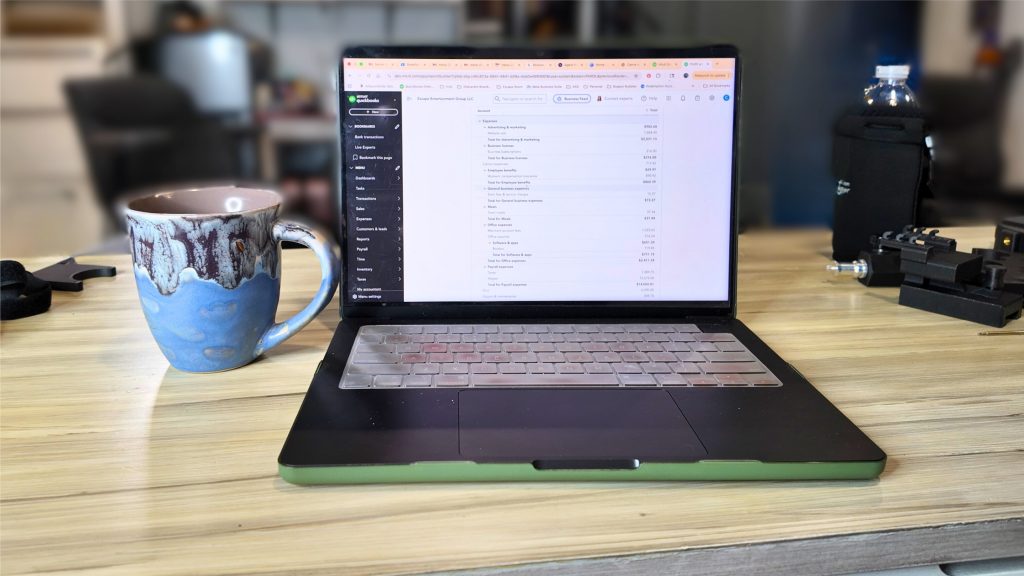
Start by listing every annual business expense honestly. Include cameras, lenses, lighting, computers, and realistic replacement cycles. Add studio or office costs such as rent, utilities, and insurance. Include software subscriptions for editing, galleries, and studio management. Marketing costs like website hosting, domains, advertising, and events belong here. Professional services such as accounting and legal support matter. Education through workshops and conferences is part of staying relevant. Insurance and taxes must be accounted for accurately with professional guidance. Once expenses are listed, add your desired annual salary. This is not a dream number. It is the amount required to cover personal bills and live without constant financial pressure. Combine expenses and salary to establish your minimum annual revenue goal. This number is your pricing floor.
Understand Photography Time Management as a Pricing Factor
Why Time Is the Hidden Cost in Photography Pricing
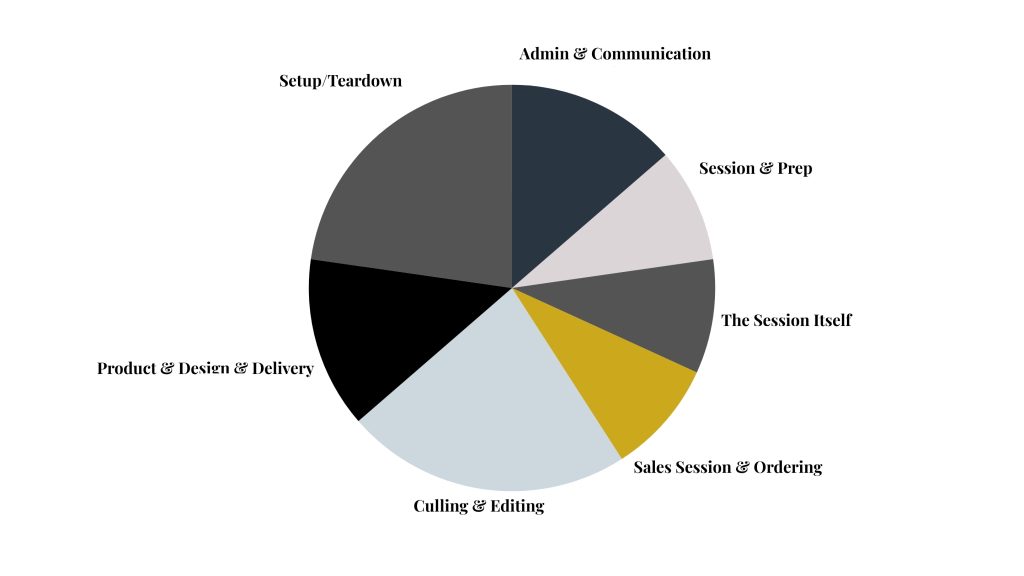
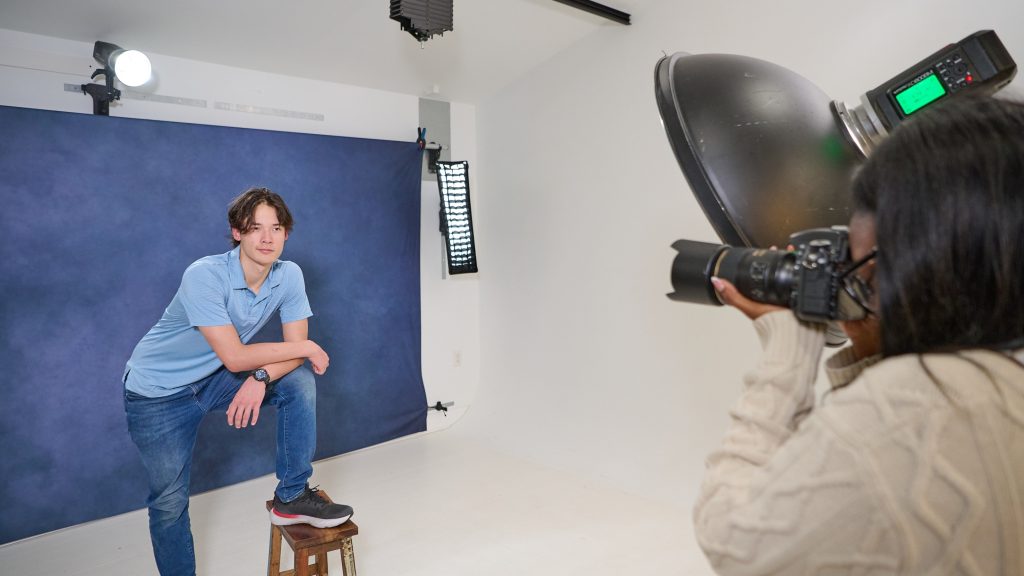
Time is the most underestimated expense in photography pricing. Shooting is only a fraction of the work. Client communication, preparation, editing, sales, and delivery all require hours that must be accounted for. Studio setup and teardown are often ignored entirely, yet they quietly erode profit session after session.
How to Track Time for Accurate Photography Pricing
Track one full client from inquiry to final delivery. Administrative communication can take several hours. Session preparation and setup often take longer than expected. The session itself may only last one to two hours. Culling and editing typically take 4 to 8 hours. Sales sessions, ordering, design, and delivery add additional time. When everything is counted, one photography client typically requires 11 to 20 hours of work. Studio setup deserves special attention. If backdrop changes and light adjustments take twenty to thirty minutes before and after each session, that is nearly an hour of unpaid labor per client. Over one hundred sessions add up to more than two full work weeks. Efficiency changes the math. A streamlined studio workflow that allows fast backdrop changes dramatically reduces time per session. Systems like TogDrop Solutions help photographers reset their studio in minutes, reclaiming time that can be reinvested into marketing, family time, or additional sessions.
Price Photography for Profit, Not Just Survival
Why Photography Pricing Must Include Profit
Pricing photography to simply cover costs creates constant stress and limits growth. Without profit, there is no margin for reinvestment, no buffer for slow seasons, and no room to scale. Profit is not optional. It is what keeps a photography business sustainable and resilient. Healthy photography profit margins often fall between 20% and 50%, depending on the market and business model.
A Simple Photography Pricing Formula for Profit
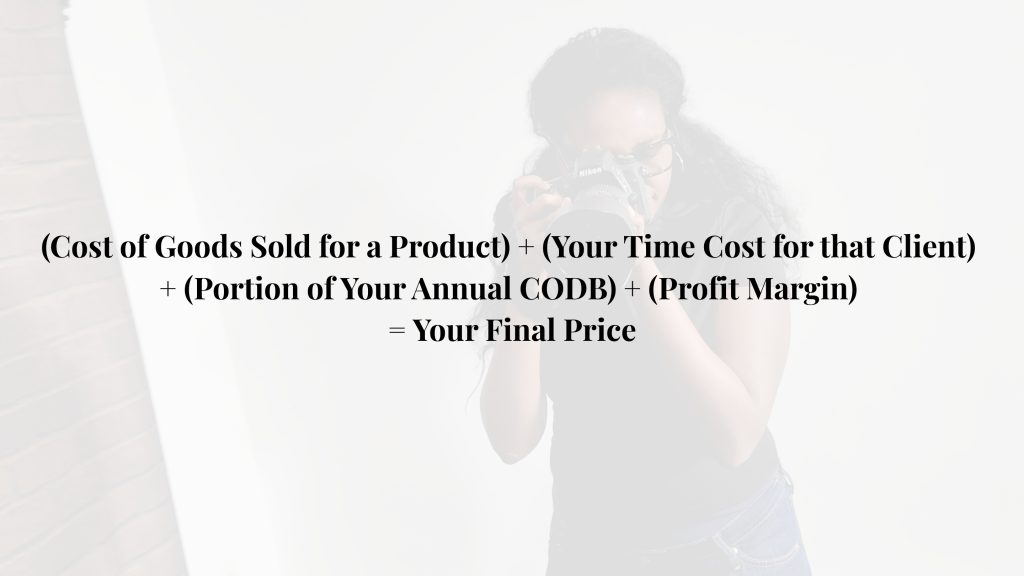
A sustainable photography pricing structure includes the cost of goods, time cost per client, a portion of annual overhead, and a built-in profit margin. This creates pricing that supports long-term stability. In-person sales can increase margins through albums and wall art, but any pricing model benefits from efficiency. Faster setups, smoother workflows, and well-designed experiences protect profit without requiring more sessions.
Build Photography Pricing Confidence Without Apologizing
Why Pricing Confidence Matters for Photographers
Clients sense uncertainty immediately. When photographers hesitate or discount too quickly, pricing confidence disappears. Confidence comes from knowing your numbers and trusting that your pricing is based on real data rather than emotion. When you understand your costs and your time, your prices no longer feel negotiable.
How Studio Workflow Supports Pricing Confidence
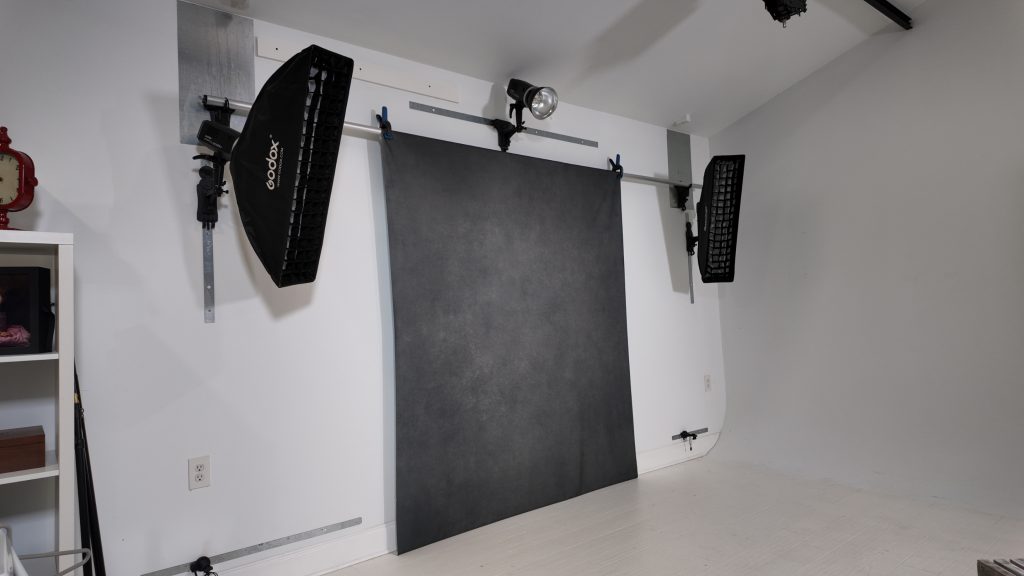
Your studio environment reinforces your value. A clean, organized, professional space communicates quality before a word is spoken. Clients are far less likely to question pricing when the experience feels intentional and polished. Investing in an efficient studio workflow supports pricing confidence at every level.
Photography Pricing Is a Journey Worth Doing Right
How to Revisit Photography Pricing Each Year
Photography pricing evolves as skills grow and costs change. The principles remain the same. Know your costs. Respect your time. Build profit into every session. Present your work with confidence. Set aside time this month to calculate your numbers honestly and identify where time is being lost. When you price with clarity and intention, your business becomes easier to run and more rewarding to sustain.
If your pricing feels tight, your time feels stretched, or your studio feels harder to run than it should, your workflow is often the missing piece. Our system is designed to help you reduce setup time, simplify your studio, and create a more professional experience that supports confident pricing. Schedule a one-to-one workflow call, and let’s look at how your studio setup can work harder for you without adding more hours or more stress.