As photographers, we usually invest in the parts of the business we can easily justify.
A new lens sharpens our images.
A new light improves consistency.
A better camera body speeds up delivery.
But there is one part of the studio most photographers ignore until frustration finally catches up with them:
The workflow behind the shoot.
And for many photographers working in smaller spaces or temporary setups, that workflow problem shows up every single session.
- Light stands getting moved around
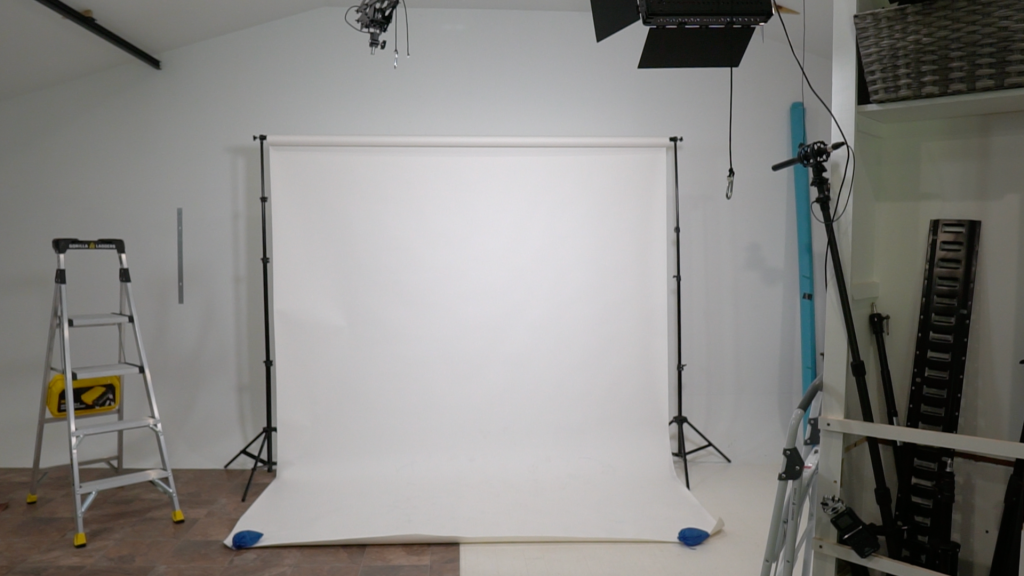
- Backdrops hanging unevenly
- Resetting setups between clients
- Losing time fixing things that should already work
- Feeling rushed before the session even starts
The problem is not usually one big issue.
It is the constant small interruptions that quietly drain time, energy, and profitability.
When we start looking at the studio through the lens of business efficiency instead of just equipment, the numbers become hard to ignore.
The Hidden Cost of Setup Time
Let us break the math down in a real-world photography scenario.
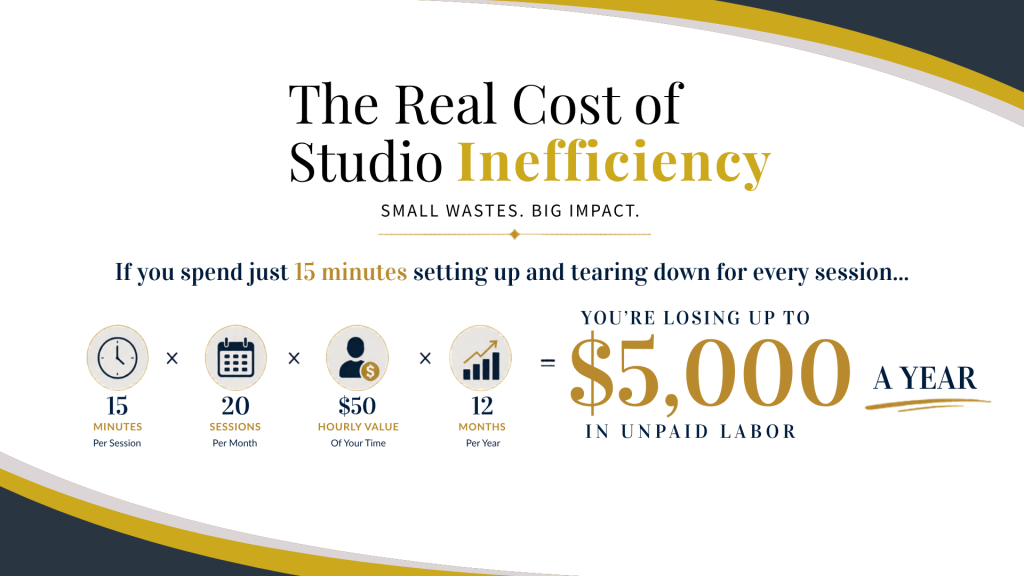
Imagine you spend about 15 minutes setting up and tearing down for every studio session.
That may not feel like much in the moment. But over time, it compounds fast.
If you photograph:
- 4 sessions per week
- 15 minutes of setup and teardown per session
- 50 working weeks per year
That equals:
- 1 hour of unpaid setup work every week
- 50 hours per year spent managing equipment instead of photographing
Now assign a value to your time.
If your working hour is worth $100, that inefficient setup process is quietly costing your business:
$5,000 per year in lost productivity
And that number only reflects setup time.
It does not include:
- Mental fatigue from cluttered workflows
- Delays between sessions
- Time spent adjusting crooked backdrops
- Client interruptions while you fix equipment
- Energy lost constantly rebuilding your setup
This is where many photographers start realizing the issue is not the backdrop itself.
It is the lack of a repeatable system.
The Capacity for Growth
Studio efficiency is not just about saving time.
It is about increasing what your business can realistically handle without creating stress.
When your setup is organized and repeatable, everything changes:
- Backdrop swaps happen faster
- Sessions stay on schedule
- Clients spend less time waiting
- You spend more time creating
- Your studio feels calmer and easier to manage
That is one reason photographers move away from traditional light stand setups and start looking for a more permanent workflow solution.
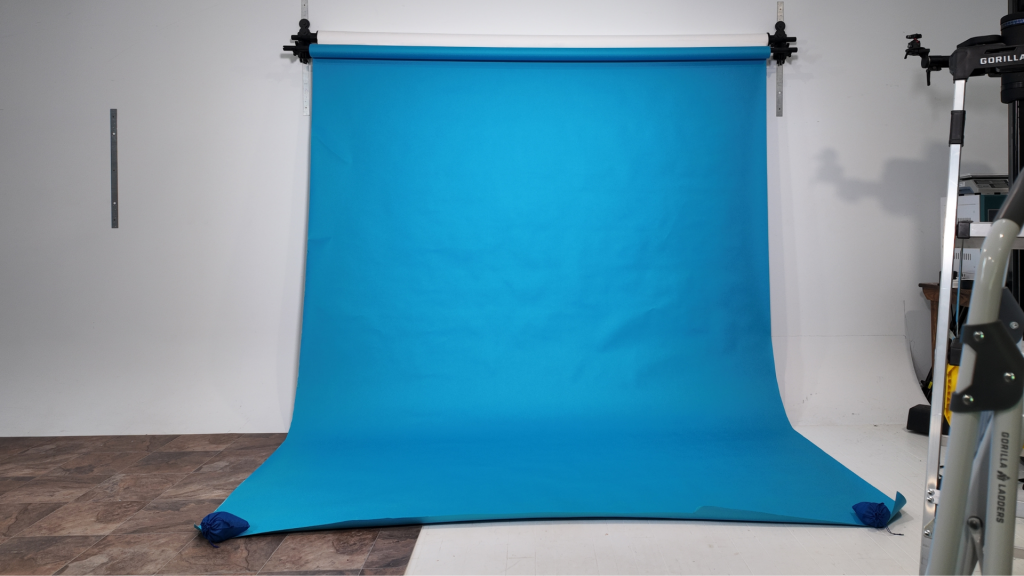
A modular system like TogDrop helps remove the constant reset cycle that slows photographers down every day.
Instead of rebuilding your setup every session, your studio stays ready to work.
And that creates room for growth.
For example:
If a streamlined workflow allows you to comfortably add just one additional session per week, the math becomes significant.
At an average session fee of $300:
- 1 additional session weekly
- 50 working weeks annually
Equals:
$15,000 in additional yearly revenue
That is not coming from working harder.
It comes from removing friction inside the studio.
Professionalism Clients Can Feel
There is another side to studio efficiency photographers often overlook:
Client perception.
Clients may never mention your setup directly, but they absolutely notice how your studio feels.
A clean and organized workflow communicates confidence.
When clients walk into a studio where:
- Backgrounds change smoothly
- Equipment stays organized
- Sessions move efficiently
- The photographer stays focused
…it creates trust.
The experience feels polished.
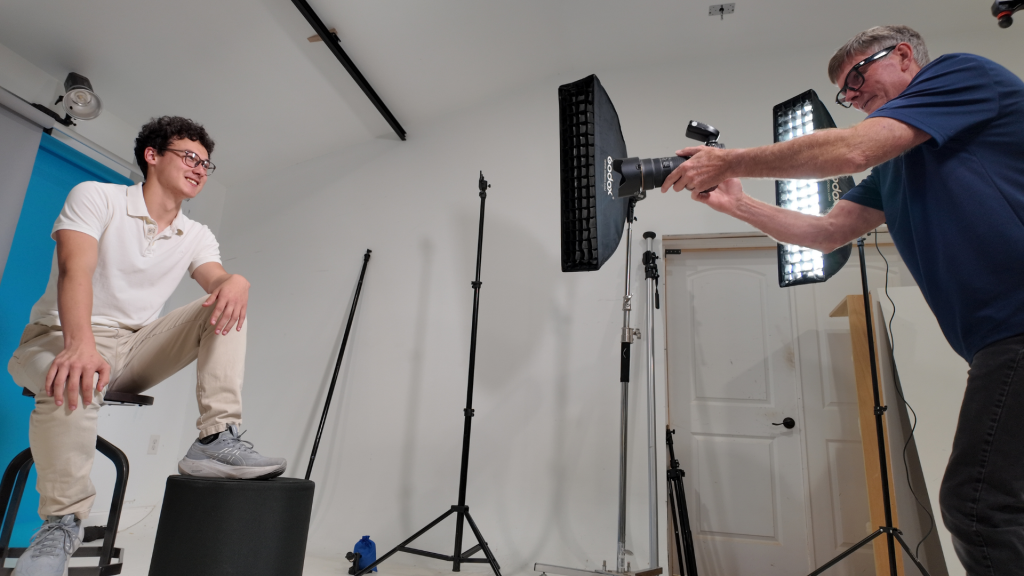
And polished businesses are easier to charge premium prices for.
On the other hand, a frustrating setup process can quietly hurt the client experience.
Stopping to untangle stands or fix a backdrop interrupts momentum and changes the energy in the room.
A smooth workflow helps clients feel like they are in capable hands from the beginning of the session.
Studio Systems Create Long-Term Profitability
Most photographers do not initially think of studio organization as a business investment.
But the longer you shoot, the more valuable efficiency becomes.
Especially in smaller studios where every inch matters.
A system-based approach helps photographers:
- Reclaim space
- Reduce setup fatigue
- Simplify session prep
- Maintain consistency
- Increase booking capacity
- Create a better client experience
Many photographers start by exploring small studio workflow solutions before rebuilding their entire space.
That is the difference between constantly managing equipment and building a studio designed to support your workflow.
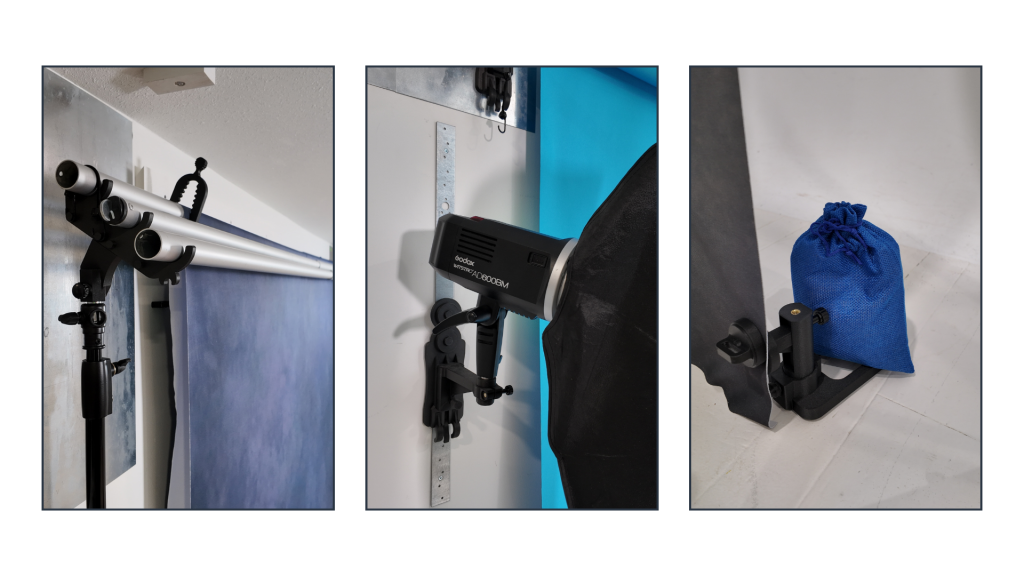
This is also why more photographers start searching for alternatives to traditional backdrop stand setups.
Not because stands are impossible to use.
But because temporary solutions often create permanent frustration.
Do the Math for Your Own Studio
Take a few minutes and calculate:
- How much time you spend adjusting equipment weekly
- How often your setup slows sessions down
- How much studio space gets consumed by stands
- How much energy goes into rebuilding the same setup repeatedly
The numbers may surprise you.
But they also reveal where your next level of growth may actually come from.
Not another lens.
Not another modifier.
A better workflow.
Especially when photographers begin implementing organized studio setup ideas designed around repeatable systems instead of temporary fixes.
Stop Rebuilding Your Setup Every Session
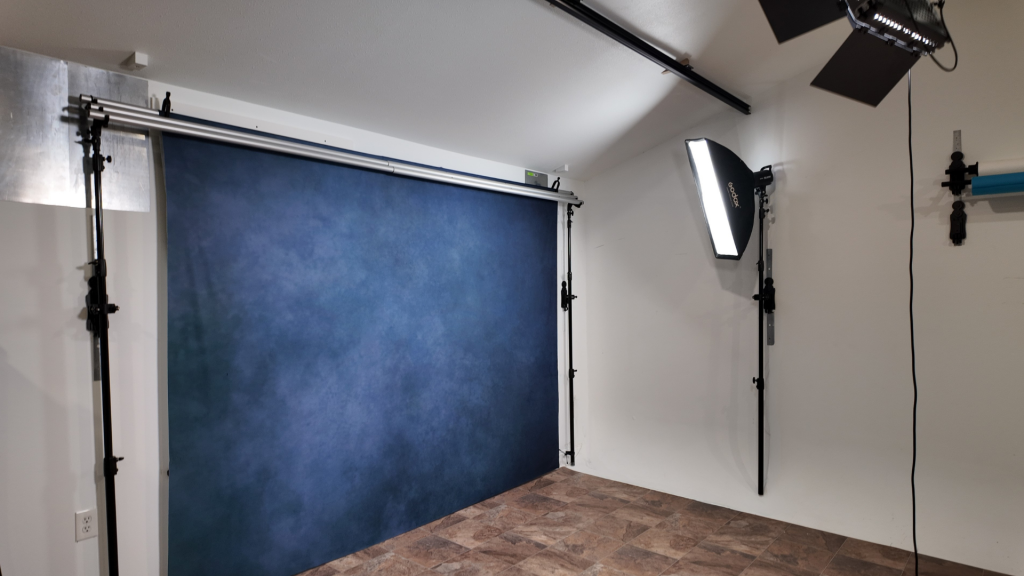
If your studio setup is slowing you down, it may be time to rethink the system behind your workflow.
Explore how TogDrop helps photographers create cleaner, faster, and more organized studio setups without the constant frustration of traditional stands.
Schedule a TogTalk and let us help you build a studio workflow that works with you instead of against you.