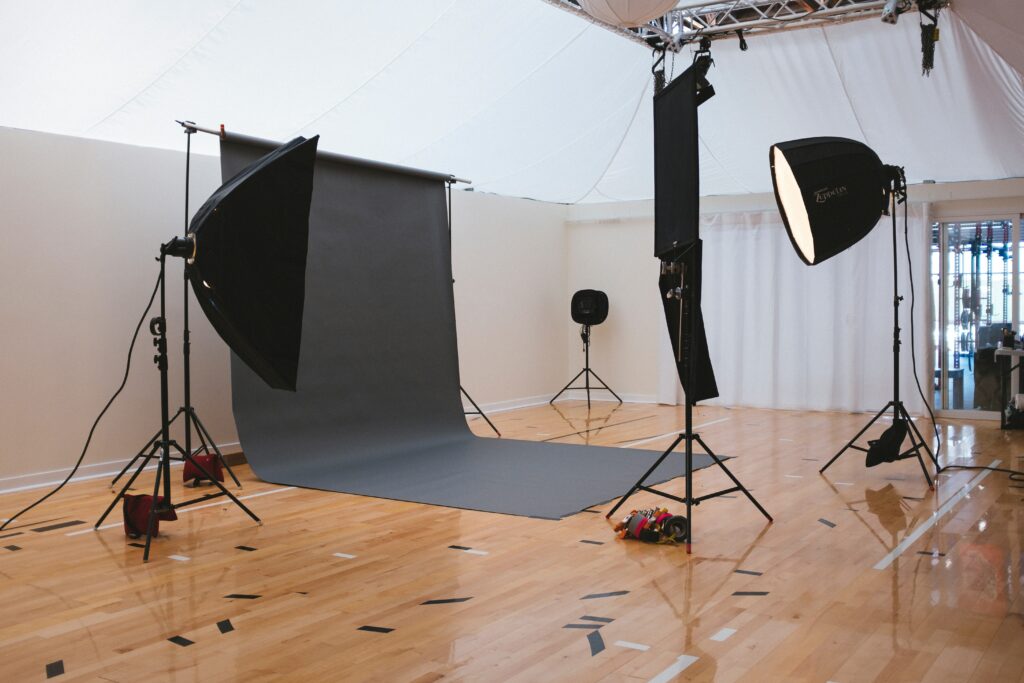
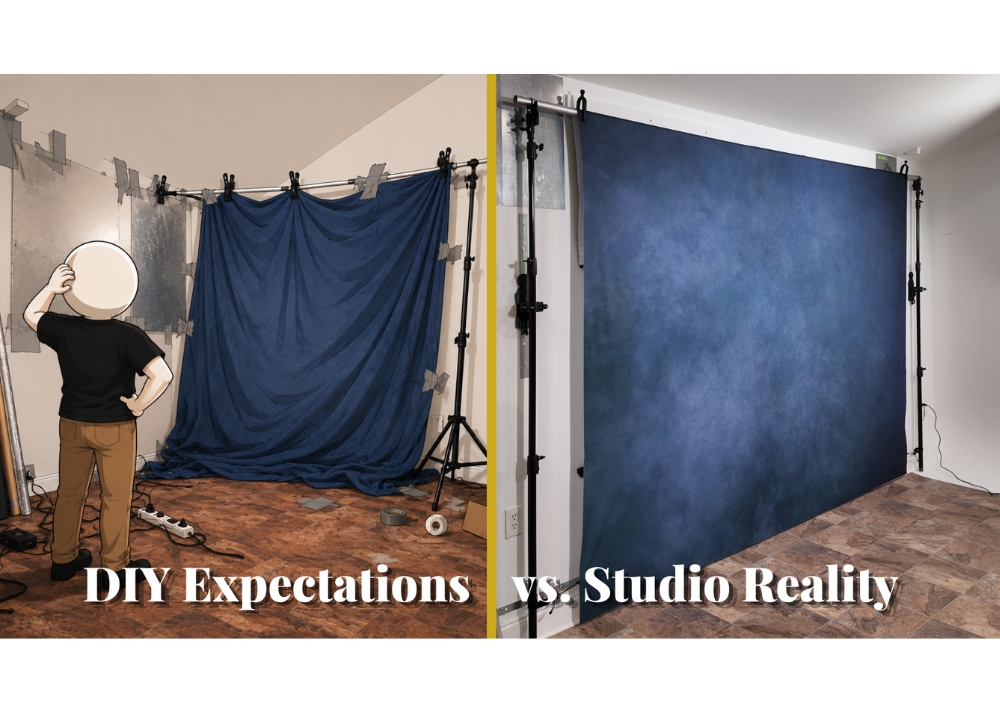
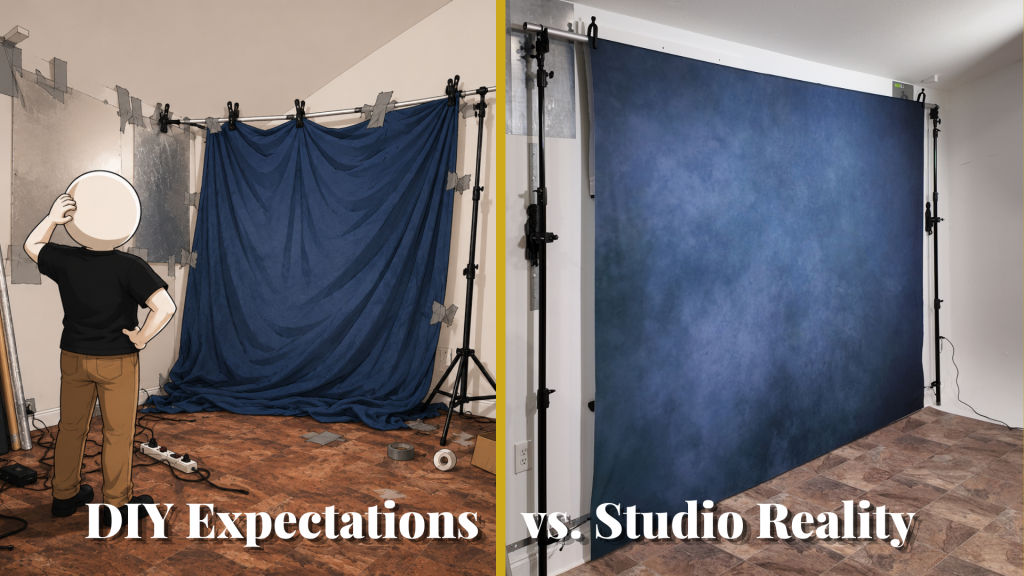
It usually starts with a YouTube video.

You are scrolling late at night looking for studio inspiration, and you stumble across a tutorial showing someone building a DIY magnetic backdrop wall with sheet metal from the hardware store. It looks doable. The materials seem inexpensive. You start doing the math in your head.
And then you spend your entire Saturday at a big box hardware store.
We are not here to shame the DIY instinct. We built TogDrop because we are problem-solvers at heart, and we deeply respect photographers who are resourceful and creative. Many photographers who find us have already built plenty of things in their studios.
But after years of watching photographers attempt the DIY magnetic backdrop wall—and then reach out to us afterward—we think it is worth having an honest conversation about what that project actually costs.
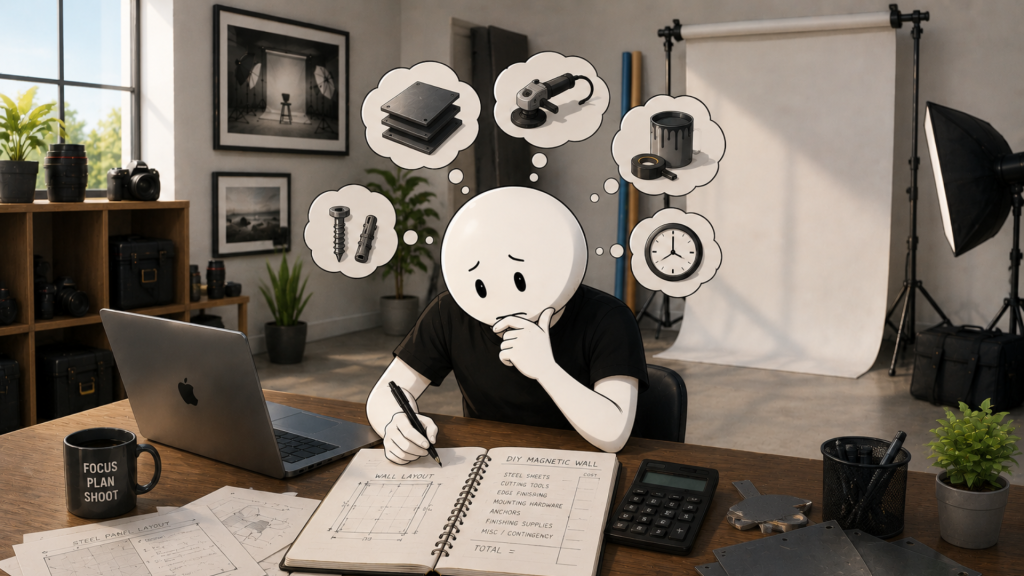
The Real Cost of a DIY Magnetic Backdrop Wall
Let us start with the obvious: money.

Yes, sheet metal is often cheaper than a professional system upfront. But here is what most DIY tutorials do not show you.
Standard sheet metal from a hardware store is usually not the ideal material for a magnetic backdrop wall. It may not provide enough magnetic pull to hold heavier backdrops securely. To get the performance photographers actually need, you often have to source a specific gauge and type of steel, which can quickly increase costs.
Then there is the finishing work.
Raw sheet metal comes with challenges that photographers do not always anticipate:
• Sharp edges can damage backdrops.
• Sharp edges can create safety concerns for clients.
• Proper finishing requires additional tools, materials, and time.
• Mistakes can mean replacing materials and starting over.
And then comes installation.
Sheet metal is heavy. Mounting it safely—especially on drywall—requires locating studs, using proper anchors, and ensuring everything is level and secure.
A magnetic wall that is not installed correctly can become a safety issue rather than a workflow improvement.
By the time you add up:
• Sheet metal
• Cutting tools
• Finishing supplies
• Mounting hardware
• Additional trips to the hardware store
• Your own labor
The gap between DIY and professional solutions often becomes much smaller than expected.
And that is before we talk about the one thing photographers rarely factor into the equation: time.
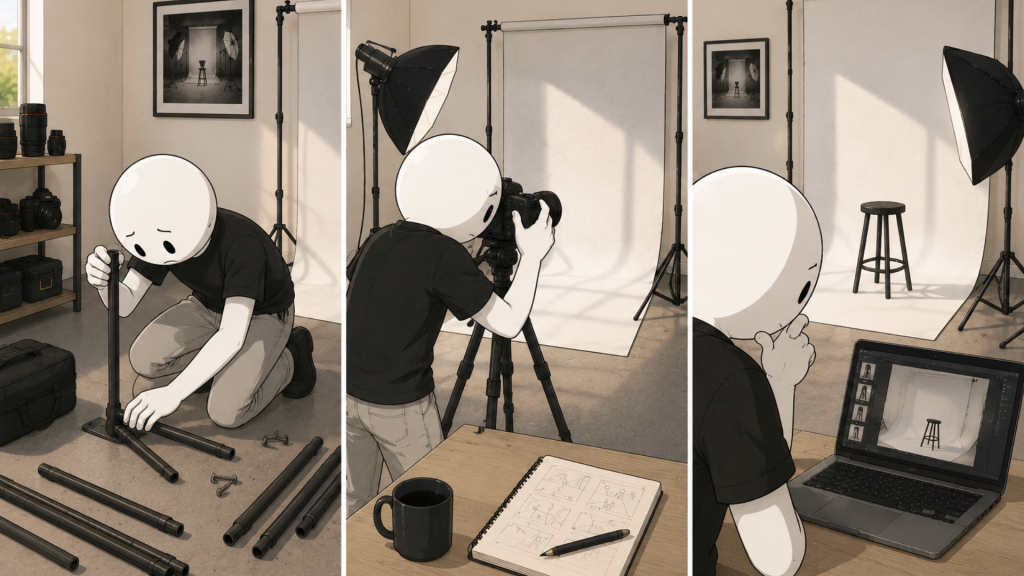
Your Time Is Your Most Valuable Asset
As photographers, we tend to calculate material costs.
What we often forget to calculate is opportunity cost.
Every hour spent:
• Driving to the hardware store
• Researching materials
• Cutting metal
• Sanding edges
• Troubleshooting installation
• Reworking mistakes
is time you are not spending:
• Photographing clients
• Editing sessions
• Marketing your business
• Following up on leads
• Building new revenue opportunities
Here is a simple example.
If your photography services generate $200 per hour and a DIY backdrop wall project takes 10 hours to complete, that project has effectively cost you $2,000 in potential revenue—even if the materials only cost $150.
When you look at it that way, the math starts to change.
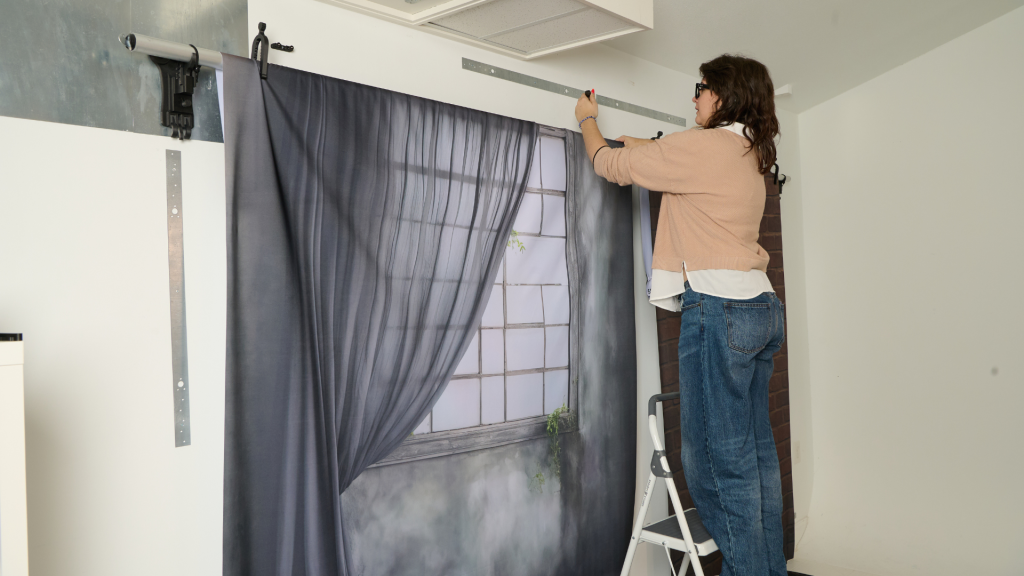
What You Get With a Professional System
When photographers invest in the TogDrop system, they are not simply buying metal and magnets.
They are investing in a system.
That distinction matters.
A system has already gone through years of testing, refinement, and real-world use by photographers working in actual studio environments.
With a professional system, you get:
Precision
Our magnetic backdrop system is engineered to securely hold canvases of varying weights without slipping, shifting, or falling.
You do not have to wonder whether today’s backdrop will stay in place.
Clean Installation
The gauge is correct.
The mounting hardware is included.
The instructions are clear. Support is available.
Instead of spending a weekend troubleshooting, you can spend that time creating.
Flexibility for Growth
One of the biggest differences between a sheet metal wall and a true studio system is adaptability.
The TogDrop system can evolve with your studio.
You can:
• Add various combinations
• Add lighting mounts
• Expand your setup
• Reconfigure your workspace as your workflow changes
A DIY sheet metal wall is typically built once and stays exactly that way. And if not the correct sheet metal, can cause havoc and unreliable setups.
A reliable system grows with you.
The Photographers Who Tried It Both Ways
We hear from photographers all the time who started with a DIY solution and eventually switched to TogDrop.
The stories are surprisingly similar.
The DIY version worked—for a while.
Then the challenges started showing up.
• Magnets were not strong enough.
• Backdrops shifted unexpectedly.
• Edges damaged materials.
• Walls began bowing over time.
• Studio setups became frustrating to maintain.
Eventually, the frustration outweighed the original savings.
Photographers who start with a professional system usually tell a different story.
They install it once.
It works as expected.
And then they stop thinking about it.
That is exactly what studio infrastructure should do.
The less time you spend thinking about your backdrop system, the more time you can spend focusing on your clients and creating great work.

Is DIY Really Saving You Money?
For some photographers, building your own solution will absolutely be part of the fun.
But if your goal is creating a clean, organized studio that helps you work faster and serve clients better, it is worth looking beyond the initial material cost.
The real question is not:
“How much does sheet metal cost?”
The real question is:
“What is my time worth?”
And perhaps more importantly:
“How many weekends am I willing to trade for a project that already exists?”
Let’s Talk About Your Studio
Every studio is different.
Every photographer works differently.
That is exactly why we offer free TogTalk sessions.
If you are considering a DIY magnetic backdrop wall, let us help you think through your space, your workflow, and your goals before you spend a weekend building something that may not solve the problem long term.
Schedule a free TogTalk session and we will help you determine the best approach for your studio.
See how photographers are replacing DIY frustration with a studio system that saves time, reduces setup headaches, and keeps their workspace organized.