
In a sea of stunning images, how do you create work that is instantly recognizable as yours? With social media feeds refreshing every second, developing a signature photography style has become more than a creative goal. It is a business necessity. Your style is the invisible thread that connects your work, attracts the right clients, and turns casual followers into a loyal community.
A signature style is not about a preset or a trending prop. It is the result of your perspective, your artistic decisions, and the consistent way you interpret the world through your lens. It is your creative voice, visualized. The challenge is not finding inspiration but translating who you are into work that feels intentional and repeatable.
This guide walks you through five practical ways to develop a photography style that feels authentic, supports your workflow, and grows with you instead of boxing you in.
1. Find Your Why

Clarifying the Message Behind Your Work
Before you can develop a consistent visual style, you need clarity around the message behind your work. Your why is the emotional foundation of your photography. It shapes what you notice, how you frame moments, and which stories you feel compelled to tell. Without this clarity, style becomes accidental instead of intentional.
Ask yourself what draws you to photography in the first place. Consider the emotions you want your images to evoke and the beliefs you hold about the people you photograph. Think about what you hope someone feels when they see your work for the first time. These answers form the backbone of your creative voice.
Using Emotional Intent to Guide Creative Decisions
When your why is clear, creative decisions become easier. Lighting choices, composition, subject direction, and even editing style start aligning naturally. A photographer driven by connection will prioritize expression and intimacy. A photographer inspired by storytelling may lean into layered compositions and mood.
Your why acts as a compass. It keeps your work grounded and consistent even as your skills evolve. Clients feel that consistency, even if they cannot articulate it, and that recognition builds trust.
2. Master One Light Setup
Why Depth Beats Variety in Lighting
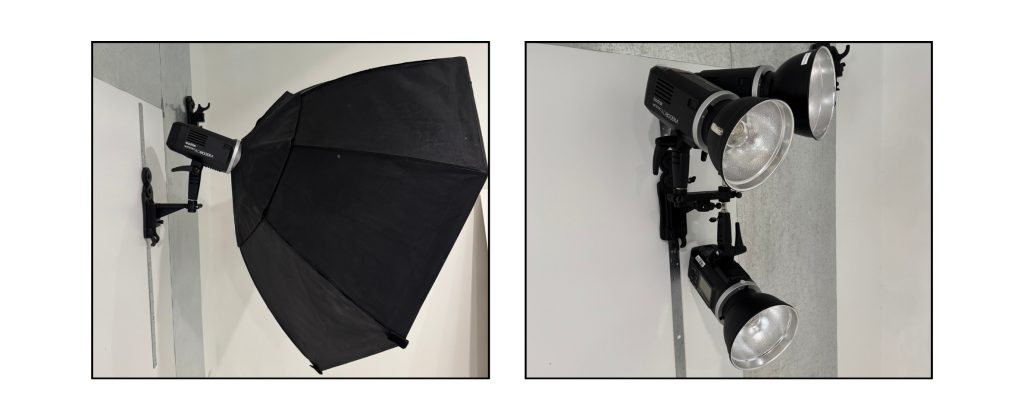
Lighting is the language of photography. While it is tempting to experiment with every lighting technique available, true mastery comes from depth, not breadth. Choosing one lighting setup and learning it deeply creates consistency and confidence.
Instead of chasing variety, commit to understanding how one lighting approach behaves across different subjects and environments. Learn how subtle adjustments shift mood and energy. This depth builds instinct, and instinct is what allows you to create reliably strong work.
Building Consistency Through Lighting Control
When lighting becomes second nature, your sessions run smoother and your results become more predictable. This consistency shows up in your portfolio, your client experience, and your brand presence. Over time, your lighting approach becomes part of what makes your work recognizable, not because it is complex, but because it is intentional.
3. Define Your Color Palette
Recognizing Color Patterns in Your Best Work
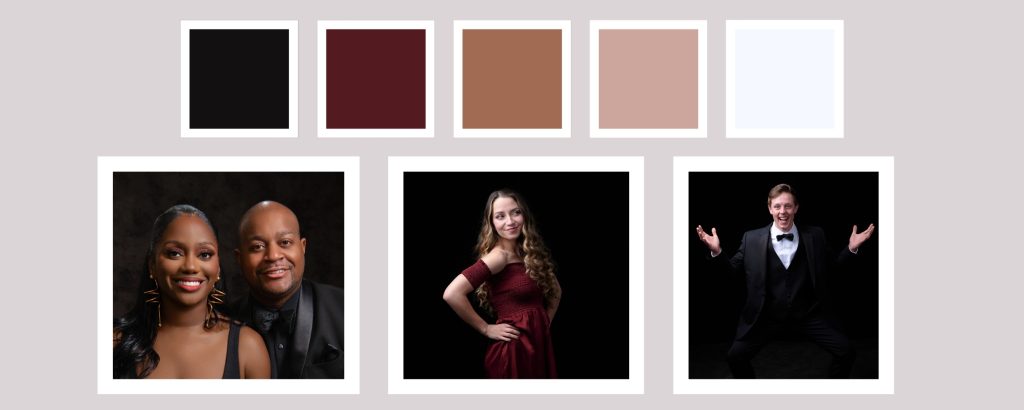
Color plays a powerful role in how your images are perceived. Often, viewers respond to color before they notice composition or subject. Developing a consistent color palette helps your work feel cohesive and recognizable.
Review the images you are most proud of. Notice patterns in tone and saturation. Pay attention to whether you gravitate toward warmth, coolness, softness, or contrast. These preferences are clues to your visual identity.
Using Color to Strengthen Brand Recognition
Once you identify a palette that aligns with your why, you can apply it intentionally. Color choices influence backdrop selection, wardrobe guidance, and editing decisions. This does not mean every image looks the same. It means your work feels like it belongs together.
Consistency in color creates a polished and professional presence that supports premium positioning and long term brand recognition.
4. Give Yourself the Freedom to Experiment
Why Creative Play Is Essential to Growth
Finding your voice requires experimentation. Creative growth happens when you give yourself permission to try ideas without pressure. This freedom allows you to discover what resonates and what does not.
Personal projects, test shoots, and studio play sessions are essential. They are where breakthroughs happen and where your style begins to take shape naturally.
How Studio Workflow Impacts Creative Momentum
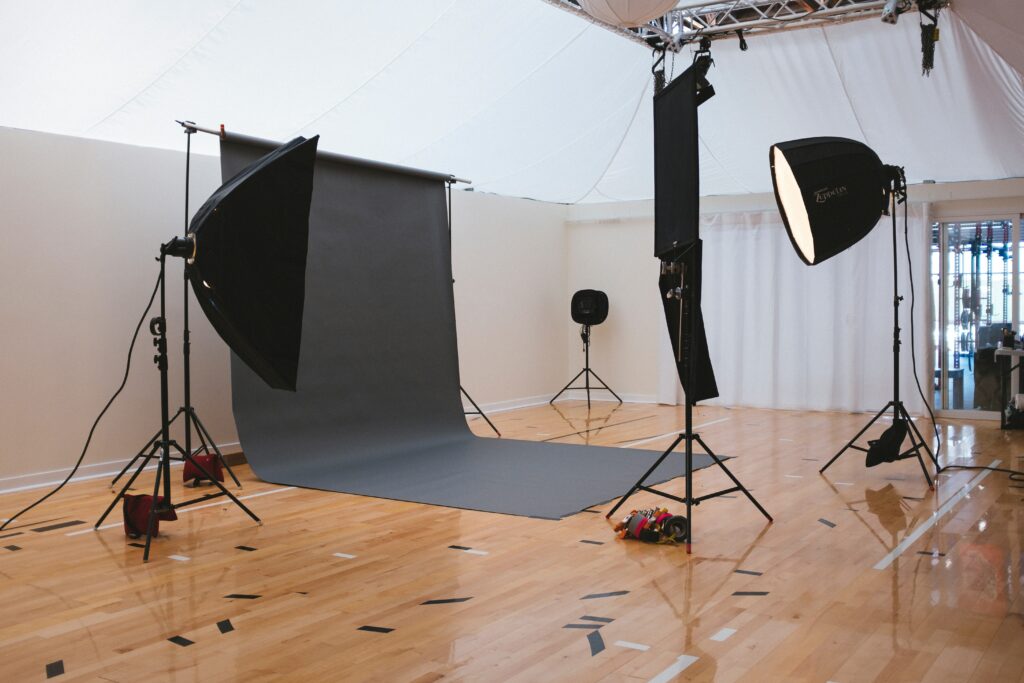
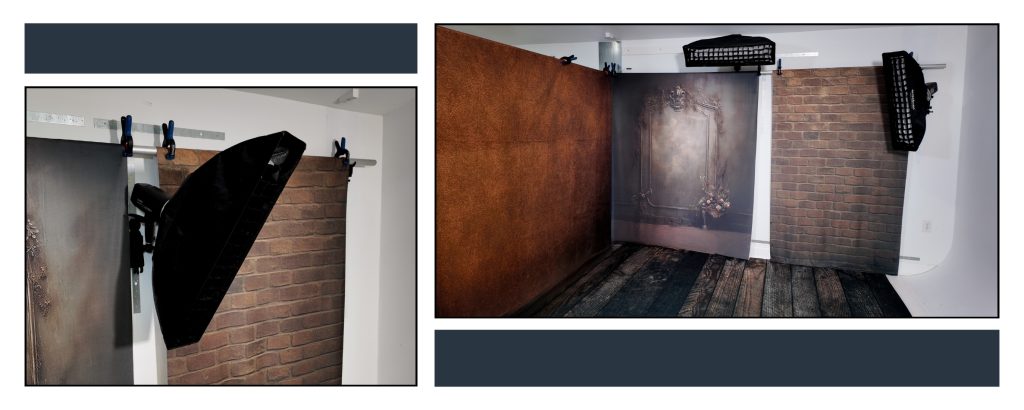
Your studio setup directly impacts your willingness to experiment. When changing a backdrop or adjusting lighting feels time consuming, creative ideas get postponed or abandoned. A streamlined workflow removes friction and keeps momentum going.
This is the reason we designed the TogDrop Solutions system. We wanted photographers to move from idea to execution without interruption. When your studio supports quick changes and flexible setups, experimentation becomes part of your process instead of an inconvenience.
5. Get Consistent, Quality Feedback
Choosing the Right Voices for Creative Growth
Feedback is essential, but not all feedback is helpful. Growth comes from trusted voices who understand your goals and respect your direction. Instead of asking everyone, build a small circle of peers or mentors whose perspective aligns with where you want to go.
These conversations should challenge you without pulling you off course.
Using Targeted Feedback to Refine Your Style
Ask specific questions that help you refine your work. Questions about consistency, emotional impact, and execution lead to clarity. Over time, this feedback helps you recognize patterns and sharpen your style intentionally rather than by accident.
Developing a signature photography style is a journey, not a destination. It evolves as you grow creatively and personally. By grounding your work in purpose, mastering foundational tools, and building a studio workflow that supports experimentation, you move beyond trends and create work that feels aligned and sustainable.
If you want thoughtful feedback from photographers who understand small studio workflows and creative growth, join the TogDrop Community on Facebook, where real conversations help refine your style with intention.
Simple. Smart. TogDrop.